The questions worth asking about new technology begin with the people who will use it—and the people it will affect.
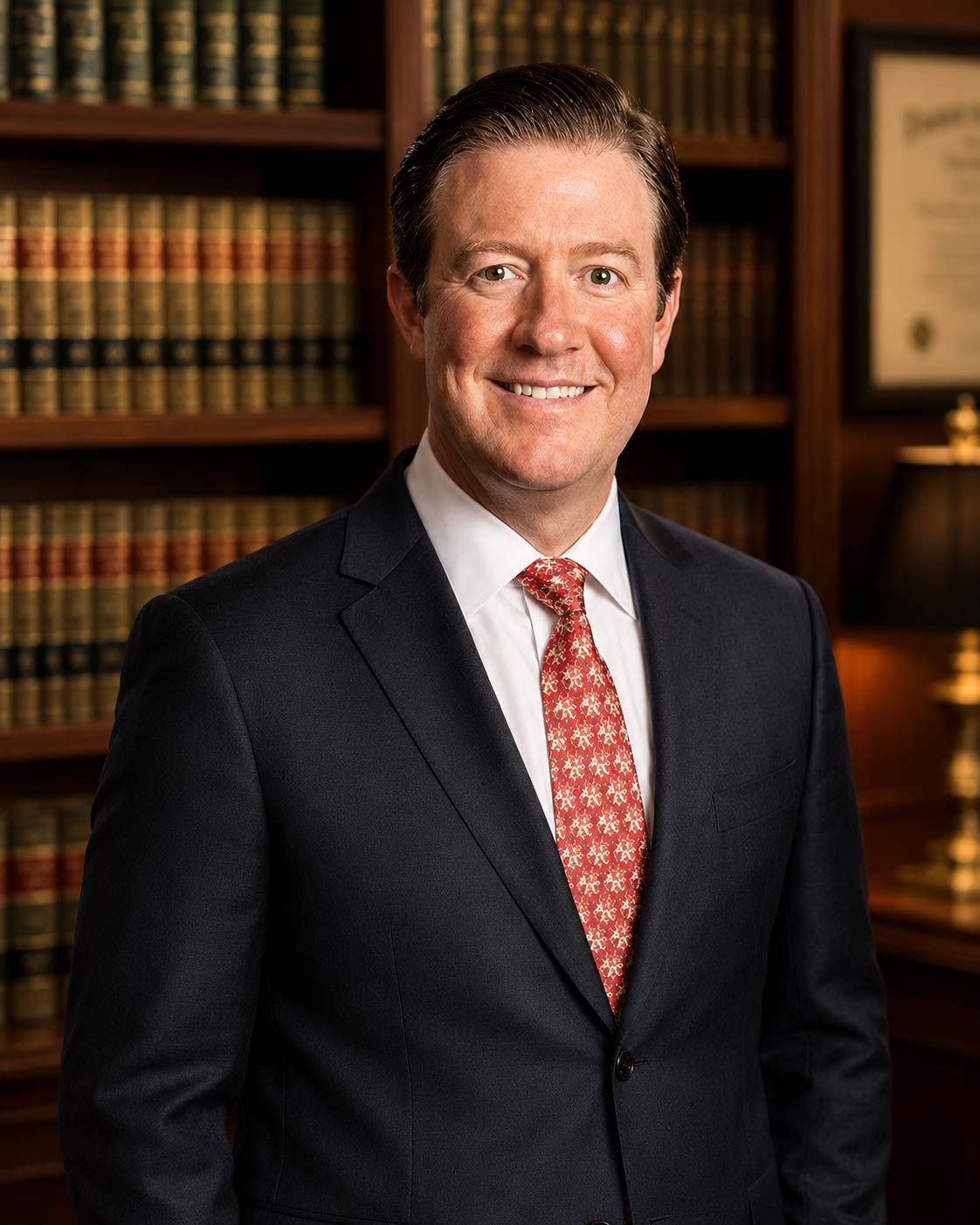
I speak with lawyers and legal professionals about artificial intelligence, ethics, and the practical work of the profession. I’m a trial lawyer at Nessler & Associates and founder of Integrated Cognition. Both roles keep my attention on where technology helps—and where human judgment has to lead.
Technology can change how legal work gets done. The useful discussion is what to use, where to be careful, and how to keep responsibility with the people doing the work.
I.
AI in everyday legal work
Where generative AI may help with research, drafting, and routine workflows—and why every output still needs a lawyer’s evaluation. The starting questions are concrete: What information enters a tool? Who reviews its answer? What problem does it actually solve?
Past programs have explored blockchain, smart contracts, biometrics, and emerging legal technology. The through line is how a new system changes a lawyer’s obligations and a client’s experience.
IV.
Trial practice & evidence
His continuing-education record also covers medical evidence, pretrial requests to admit, motor-vehicle cases, and evidentiary issues at trial—subjects grounded in his work representing injured people and families.
02 Speaking record
A record of the conversation.
Selected talks, panels, and interviews, shown from newest to oldest. Recent entries link to the organizer’s program or episode; earlier entries draw on Jonathan’s professional record.
2026
Interview guest · Illinois Institute for Continuing Legal Education
Part of the ISBA continuing-education program “The Dawning of the Age of Artificial Intelligence: Promise or Threat to the Practice of Law?” The recording appears in ISBA’s 2025 Professionalism Bundle.